
Neurodiversity Affirming Services

Does your brain feel like your own worst enemy some days?
Increased access to research and education has greatly advanced our understanding of neurodiversity, and this has given people new ways of understanding how their mind works. Whether formally diagnosed or just starting to question a diagnosis, you’ve realized that the amount of energy it takes for your brain to tackle everyday tasks might not be “typical”.
The term “neurodivergence” covers a broad range of variations in thinking, learning, and functioning. Many people are familiar with ADHD and Autism, but there are several other disorders under the umbrella of neurodivergence that impact how your brain interacts with the world, including Obsessive Compulsive Disorder and PTSD. Neurodivergence also includes developmental and cognitive conditions such as Tourette’s Syndrome, Dyslexia, and Dyspraxia. All of these conditions have vastly different symptoms and challenges, but all make it harder to function within typical societal norms.
It is common for individuals to develop debilitating mental health symptoms while trying to function in environments that don’t meet their needs. A job that is too dull and provides no mental stimulation can feel like 8 hours of torture. Trying to learn in classroom with overstimulating sounds and distractions feels impossible. You want to unwind after work, but your brain feels like a hamster wheel that won’t stop spinning. You’re starting to understand why your brain works this way, now you want to learn how to work with it.
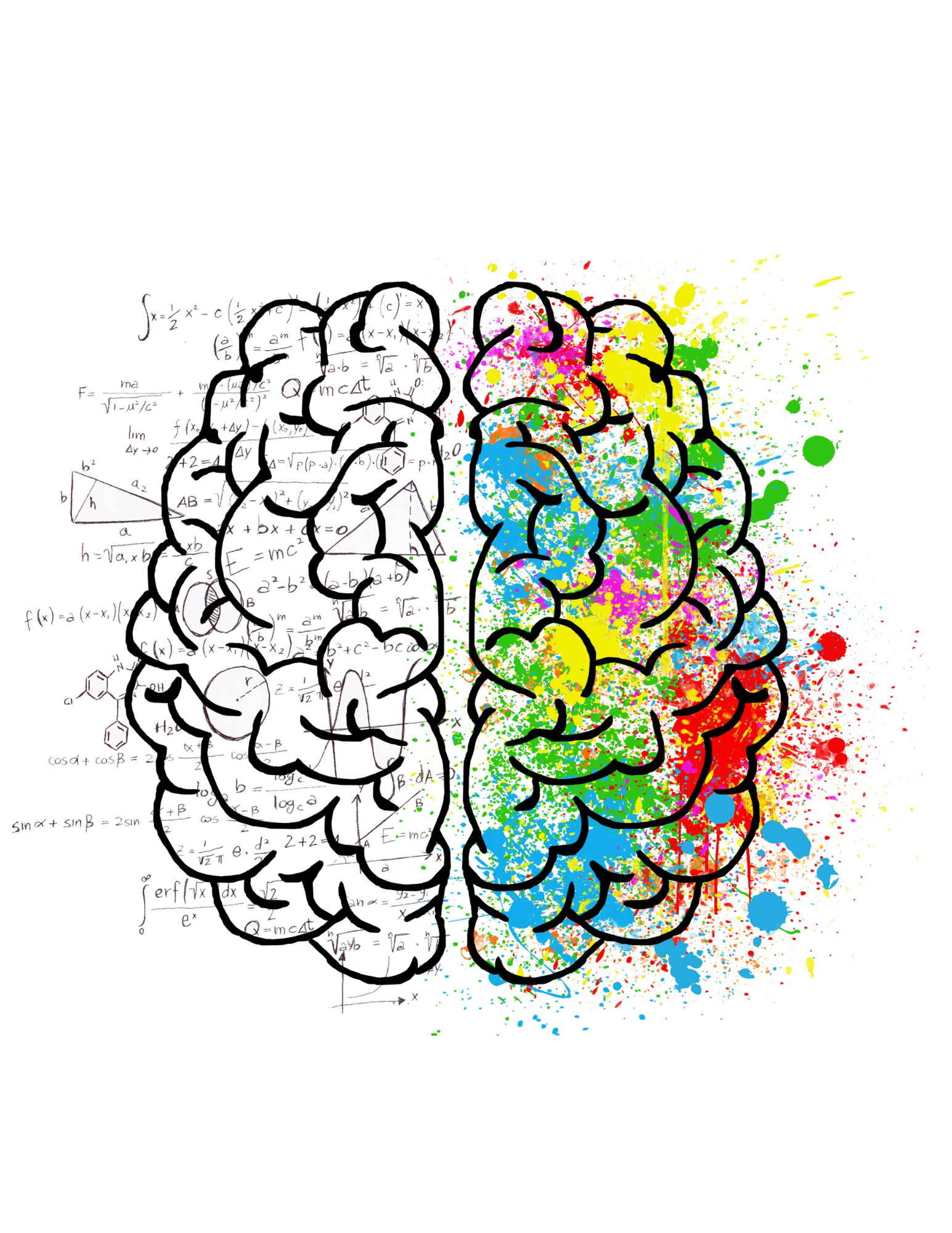
Neurodivergence is a Super Power.
In a world of over eight billion people, we need brains that work outside of the box.
We need brains that interpret information differently than the majority.
We need minds that can hyperfocus on information until they find the next complex cure for disease.
We need people who see the most minute details to find the needle in the haystack.
We need highly sensitive people who can provide connection, understanding, and support when most others don’t get it.
This perspective doesn’t negate the very real challenges and struggles that can come with different types of neurodivergence. My clients often find it helpful to talk about these struggles, be validated in their experience, and learn coping strategies that have helped other people like themselves. The goal of therapy will never be to change, lessen, or eliminate your diverse traits, but to embrace and empower their strengths. In therapy you can work to identify the environments and tasks that provide the most challenge to your brain, and from there find the tools, support, or accommodations you need to thrive in those environments.

Common Therapy Topics:
ADHD, Autism, and AuDHD
Rejection Sensitive Dysphoria
Being Highly Sensitive or Deeply Feeling
Coping with Over-Stimulation and Under-Stimulation
Executive Dysfunction
Masking


Accepting and understanding your neurodivergence is a process that doesn’t happen overnight. They didn’t teach you the skills for your type of brain in grade school. In fact, you were likely taught skills that work for a lot of people but had the opposite effect on you. For many clients this includes a process of grief for the support they didn’t receive, and eventually greater compassion for their younger self that struggled.
As a Certified Autism Spectrum Disorder Clinical Specialist and a person with lived experience, I’m aware of the uniquely complex experiences of neurodivergent individuals. My goal is to help you create a roadmap of your brain, so you know what backroads you can take when you run into an obstacle. My approach often incorporates Polyvagal Theory to help clients regulate their fight-or-flight response and teach their body to feel safe to relax. Therapy is also a great place to explore social needs and identify how neurodivergence has impacted the relationships in your life.
Therapy can be a very vulnerable experience, especially if you’ve been misdiagnosed or received unhelpful treatment in the past. I will work with you at your pace to learn what hasn’t worked and identify the goals that are important to you. My goal is to ensure that you feel comfortable enough to unmask, let go of societal expectations, and be yourself without any fear of judgement. Together, we will find what you need to navigate life a little easier.
It’s time to stop the power struggle with your brain.